
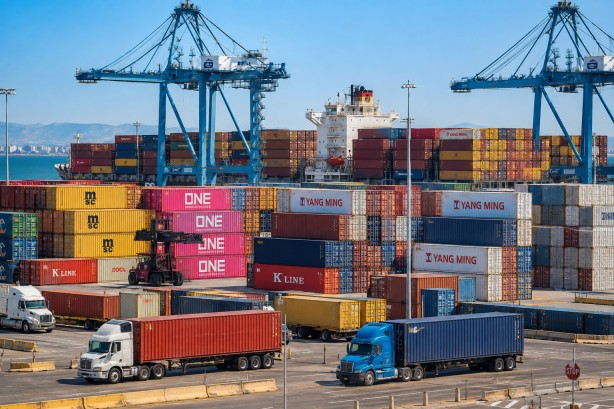
In a significant development following a Supreme Court ruling, the US government has issued refunds amounting to approximately $100 billion. These funds were part of the tariffs collected under former President Donald Trump’s trade policy, which have now been deemed largely unlawful. This refund represents about 60% of the $165 billion previously gathered before the judicial decision. The tariffs had been a cornerstone of Trump’s strategy, focused on promoting domestic manufacturing, negotiating advantageous trade agreements, and enhancing government revenue.
In the wake of the court’s verdict, the government has moved to return the collected tariffs to the companies that were affected. Despite this massive refund, the federal budget deficit remains on an upward trajectory, having expanded to $1.37 trillion within the first nine months of the fiscal year. This financial imbalance underscores the ongoing challenges faced by the administration as it navigates the economic landscape.
Last month, the Trump administration announced a fresh series of tariffs, ranging from 10% to 12.5%, targeting imports from over 80 countries. This list includes major economies such as India, China, the United Kingdom, Canada, Mexico, Australia, and the European Union. The administration justified these new tariffs by expressing concerns over products potentially linked to forced labor practices. This move, however, has sparked further legal battles.
A coalition comprising 25 US states is actively challenging the new tariffs. They argue that these measures unlawfully substitute the tariffs that were invalidated by the Supreme Court, raising questions about their legality and potential economic impact. As these legal challenges unfold, the debate over the administration’s trade policies continues to be a focal point in discussions about international commerce and regulatory practices.