
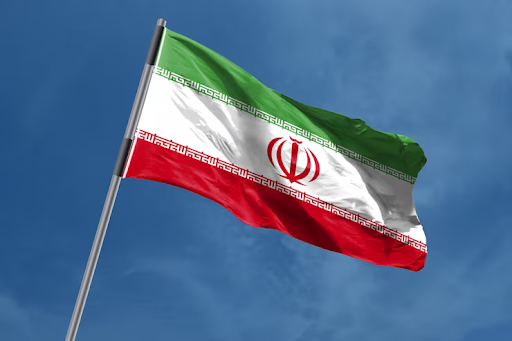
In a defining moment of the ongoing conflict, Iran has refused an American-backed ceasefire proposal and put forward its own set of non-negotiable conditions, asserting that it alone will decide when and how the war ends. The move puts the United States in a difficult diplomatic position just as domestic pressure mounts on President Trump to wind down a costly and unpopular war.
Iran’s foreign minister made clear that while the US proposal had been reviewed at the highest levels of government, Tehran saw no reason to engage seriously with terms it considered entirely tilted in Washington’s favour. A senior official described the American plan as “extremely maximalist and unreasonable,” objecting in particular to its demands for the dismantling of Iran’s nuclear programme and the reopening of the Strait of Hormuz under international oversight. These red lines have long defined Tehran’s negotiating floor.
On the military front, the situation remains intense. Israel launched a sweeping wave of strikes across Iran, including in the central city of Isfahan, targeting what it described as infrastructure of the “Iranian terror regime.” Iran responded with overnight drone and missile barrages directed at Israel and Gulf states, including a strike that ignited a large fire at Kuwait International Airport. The US military, meanwhile, claimed to have struck more than 10,000 targets in Iran so far, destroying 92% of the Iranian navy’s largest vessels.
The economic fallout of the war is reverberating globally. Oil markets momentarily stabilised after news broke of Iran’s counter-proposal, as investors hoped any diplomatic activity could ease the historic energy crisis. However, the fundamental disruption to Hormuz shipping continues to rattle supply chains. The Trump administration appears to be weighing an invasion of Iran’s Kharg Island — which handles 90% of Iran’s crude exports — as a pressure tactic, a move that Tehran has warned would trigger catastrophic retaliation.
China’s Foreign Minister Wang Yi has emerged as a vocal advocate for dialogue, holding calls with his Turkish and Egyptian counterparts and declaring that a “glimmer of hope for peace has emerged.” Egypt and Pakistan continue to serve as crucial go-betweens, with both countries urging both sides toward direct engagement. How long these fragile diplomatic threads hold under the weight of ongoing military action remains the central question of this conflict.