
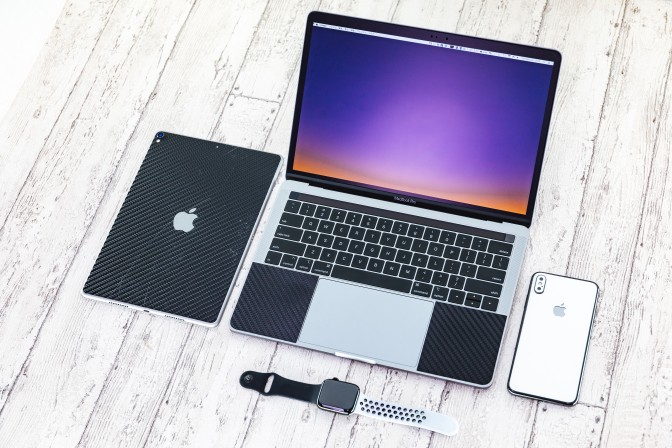
Apple has announced price hikes for several of its iPad and MacBook models due to increasing memory and storage chip costs. The tech giant attributed this adjustment to the surging demand for artificial intelligence infrastructure, which has driven up component expenses. While Apple had previously absorbed these additional costs, the company has now decided to pass some of them on to consumers.
The price adjustments impact a range of Apple products, including certain configurations of MacBooks, iPads, HomePod speakers, and Apple TV devices. Notably, MacBook models with higher storage capacities have experienced significant price increases, reflecting the escalating costs of memory components. This trend is a result of the global expansion of AI, which has led chip manufacturers to prioritize their supplies for AI data centers and advanced computing systems.
The growing focus on AI infrastructure has reduced the availability of memory components for consumer electronics, thereby elevating production costs across the technology sector. Despite these challenges, Apple’s robust supplier network has mitigated some of the impact compared to its competitors. However, industry analysts predict that the pressure on device pricing is likely to persist, with potential implications for future iPhone models as well, as companies continue to adjust to rising component costs.
The escalating cost of memory chips is not just affecting Apple but is anticipated to impact the broader technology market. As manufacturers grapple with increased production expenses, both smartphone and PC sales may feel the strain, especially in light of weakening consumer demand. This shift underscores the broader economic challenges facing the tech industry as it navigates supply chain constraints and evolving market dynamics.