
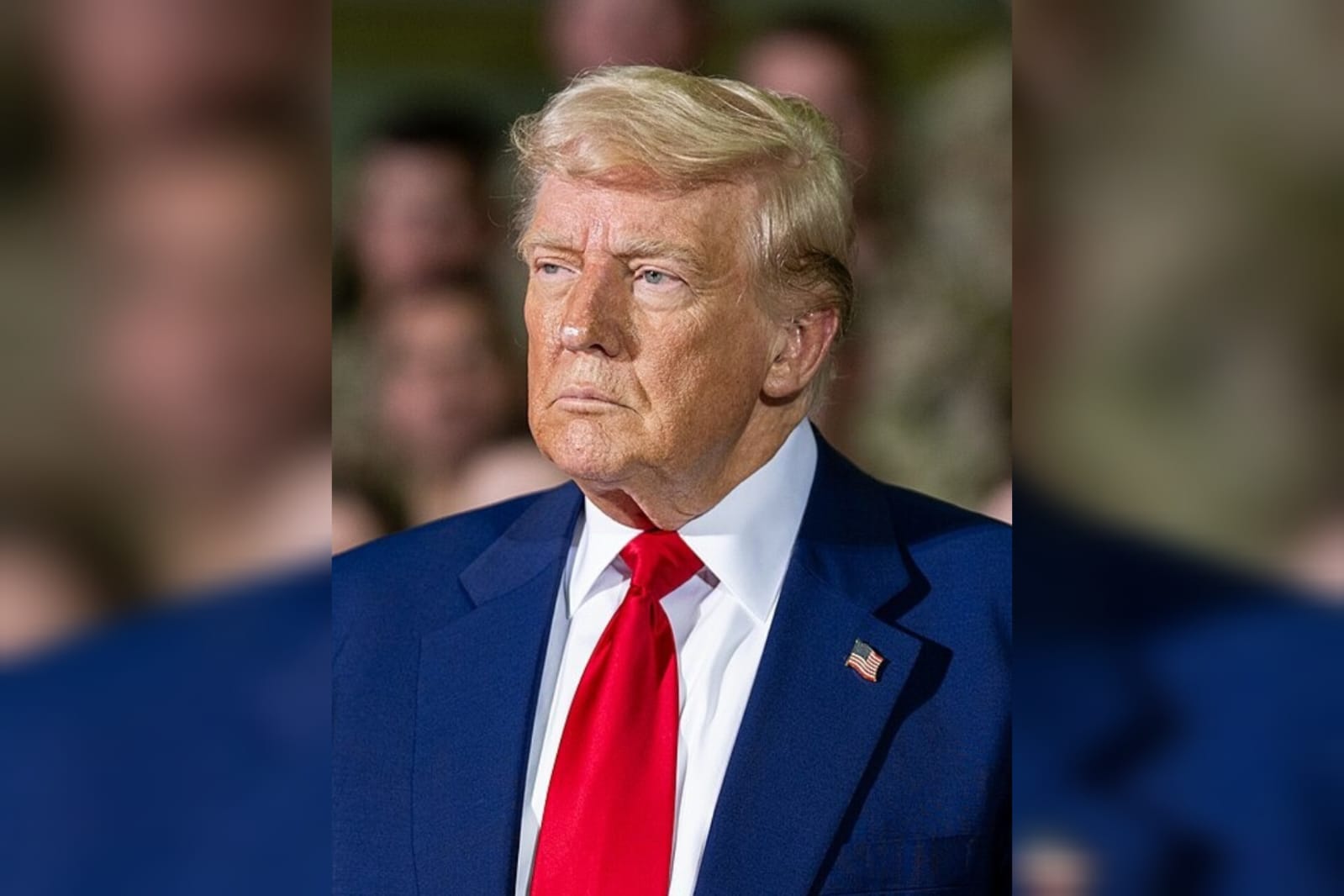
In a move hailed as a significant diplomatic achievement, U.S. President Donald Trump has signed a 14-point agreement with Iran. This accord, described by Trump as a crucial step in averting a global economic crisis, sees the reopening of the Strait of Hormuz, a vital oil shipping channel. Iranian President Masoud Pezeshkian also endorsed the deal, which initiates a 60-day period of negotiations aimed at reaching a comprehensive and lasting resolution.
The agreement stipulates that Iran will not only reopen the Strait of Hormuz but also engage in discussions concerning its nuclear program. In exchange, the United States has agreed to ease certain sanctions, permit the export of Iranian oil, unfreeze billions in Iranian assets, and back economic measures to help rejuvenate Iran’s economy. Additionally, the deal includes talks on reducing Iran’s stockpile of highly enriched uranium under international oversight.
Trump has defended the accord, emphasizing that diplomacy was essential to prevent a larger conflict that could have led to severe global economic instability. He stressed that reopening the Strait of Hormuz would bring stability to energy markets and reduce risks for international shipping. While the agreement opens the door for Gulf nations to potentially invest in Iran’s recovery, he clarified that the United States would not provide financial aid for reconstruction efforts.
The agreement has elicited mixed reactions. Advocates argue that it diminishes regional tensions, secures global energy supplies, and lays the groundwork for long-term discussions on Iran’s nuclear ambitions. However, critics assert that the deal affords Iran substantial economic relief without demanding stringent commitments regarding its ballistic missile program or regional influence, raising fears that Tehran could gain significant financial and strategic leverage.
Further commitments in the agreement aim to reduce regional hostilities, with Iran pledging not to pursue nuclear weapons and to show restraint through its regional allies. Future negotiations are anticipated to tackle unresolved issues such as missile development and broader Middle East security. Despite both parties lauding the agreement as a pivotal milestone, its ultimate success hinges on the outcomes of the forthcoming negotiations.